Key Benefits Of On-Demand Water Heaters in Fyshwick, Australian Capital Territory 2609
Have you ever wondered replacing your conventional hot water tank and getting a tankless water heater installed in your commercial rental property? Although instantaneous or short-term water heating systems might look like a strange notion that sounds like it couldn’t work as well as a traditional water heater tank does, you could be impressed by the amount of benefits that it provides to homeowners or business owners and why it may potentially be one of the best investments you can make for your residence. Then read this
Your hot water heater is among the highest energy intensive appliances in your whole building and prices you hundreds or even thousands of dollars per year in energy bills. A traditional hot water tank wastes plenty of energy maintaining water hot even if you aren’t using it. Fortunately, this isn’t true with tankless hot water heaters. First let us discuss how they operate and then go over the key benefits of tankless water heaters.
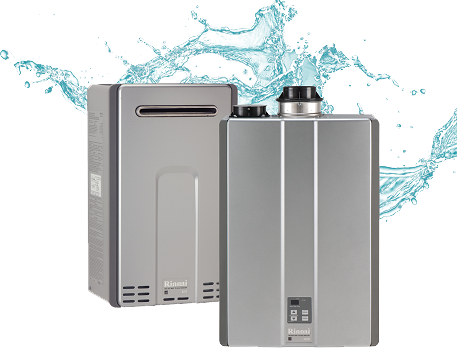
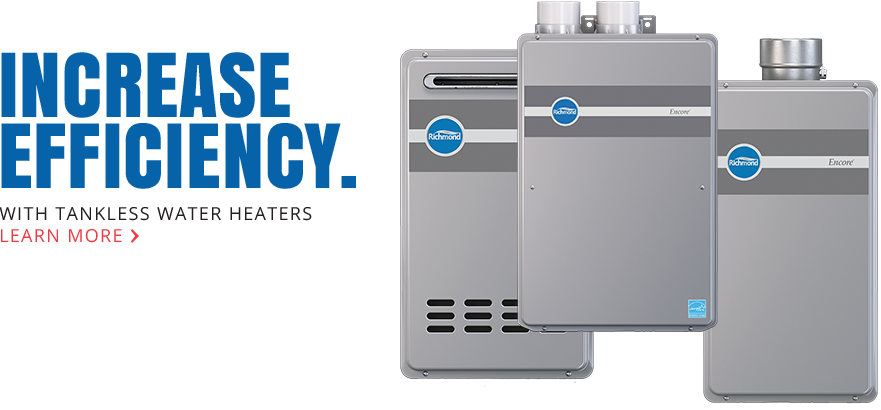
Tankless water heaters, which are also known as instantaneous or demand-type water heaters, only provide hot water when it’s necessary. Standby energy losses are not produced the way they are with a storage water heater with a tank, which can help to save you money.
How A Tankless Water Heater Works
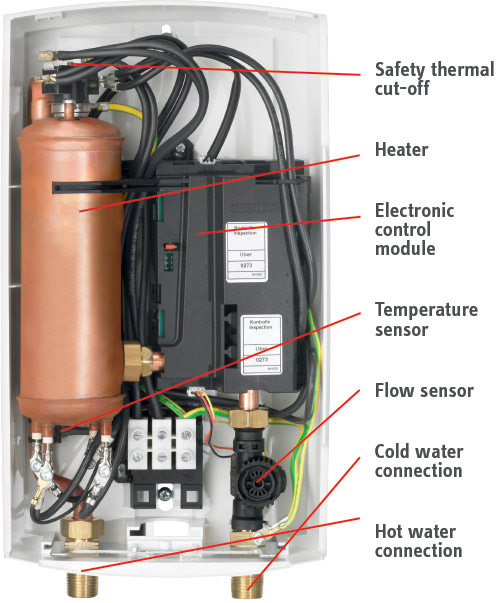
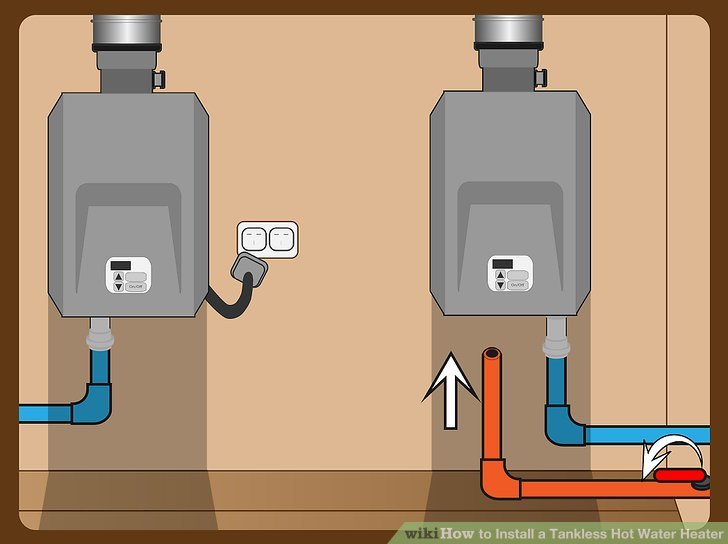
Water is heated directly without using a storage tank. If the hot water tap gets turned on, it sends cold water through a pipe into the unit. Then the water is warmed by either an electric element or gas burner. This causes a continuous hot water supply has been delivered to the user. It is not necessary to await the storage tank around the water heater to fill up with warm water.
Tankless water heater generally will send around 2-5 gallons of hot water per minute. Higher flow rates are made by gas-powered tankless water heaters in comparison with electrical ones. For large households, two tankless water heaters or more can be installed and connected to supply sufficient amounts of warm water simultaneously.

The following are some of the critical benefits to installing a tankless water heater to your house. In most situations they can be the best kind of water heater to invest in for you house.
1. Use Less Energy
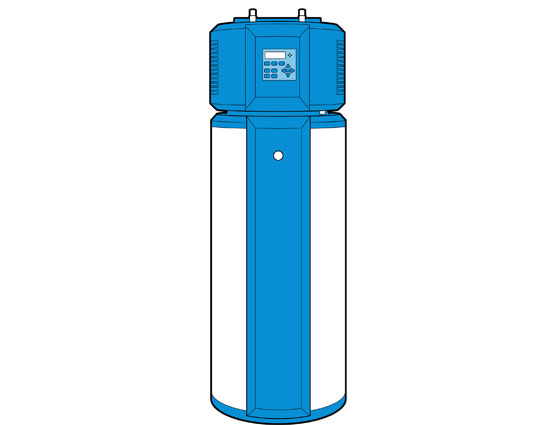
One of the major benefits to selecting a tankless water heater is that the low amount of energy it uses. In some scenarios, the energy savings could reach near 50 percent when compared with a normal tank water heater. This is because conventional hot water tanks preserving water experience what’s known as “standby” losses, where warmth evaporates through either side or flue of the tank. Tankless heater don’t flow how a tank may, which also can help to decrease maintenance expenses and expenses connected with drips.
2. Takes Up Less Space
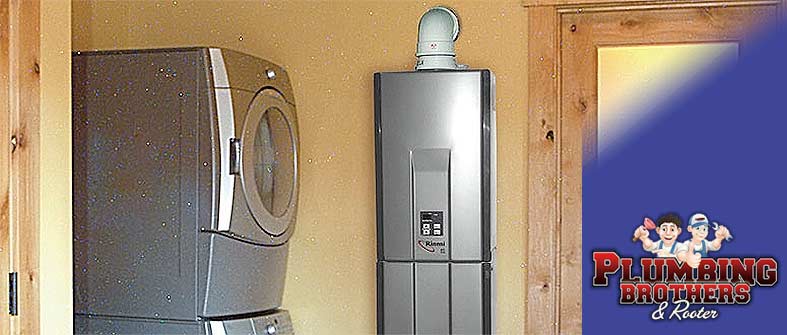
Another advantage given with a tankless water heater is the fact that it uses less floor space compared to some tank water heater. That is a result of the simple fact that a tankless water heater becomes mounted into a wall and a massive reservoir is not needed. This leads to them taking up much less room when compared with a tank heater. For small homes without a lot of extra space, going with a tankless solution can free up some very precious distance.
3. Provides Instant Hot Water
Another significant advantage is the ease of being supplied with hot water immediately. You don’t need to worry about running out of hot water when taking a shower or having to await the tank to fill up before having enough hot water to use. So there is no to little lag time involved if you want to use hot water.

4. Potential Tax Rebate
A nice tax incentive is supplied by the federal government for installing a tankless water heater. You might qualify for a tax credit when completing your tax return with the IRS. This may vary from 1 year to another based on what the present tax laws are and also the varying efficiencies of distinct tankless hot water heaters. Consult with your tax professional to find out who a lot of a tax credit you’re qualified for.
Longer Lifespan
On average a tankless water heater will continue longer than one with a tank. Since large amounts of water don’t have to heated constantly it considerably decrease the quantity of potential oxidation and stress put on the heater components. A tankless water heater, on average, will last twice as long at least compared to some tank water heater. Many tankless units will continue for 20 decades or longer.
6. Cleaner Water
Using a traditional tank water heater, rust and scale can build up within the tank, which is where the hot water is stored that you use for ingestion, bathing and washingmachine. With a tankless water heater you will be offered using cleaner, fresher water.

Safety
The water temperature is precisely controlled by a tankless water heater. Because of this, it is much less likely that there’ll be harmful temperature spikes and amounts which occur. Another safety advantage comes from the fact that there is reduced exposure to toxic dissolved metal, which have a propensity to accumulate in a traditional hot water tank.
Low Flood Risk
One major risk to getting a tank water heater in your home is the prospect of severe flood in the event the tank pops. A leaking tank can create considerable amounts of water which may potentially cause significant harm.
However, as a tankless water heater does not own a tank, this danger isn’t present. Although a tankless water heater may still possibly flow, so that there is still some danger of water damage, not using a tank substantially reduces this danger.
As you can see that there are significant benefits to tankless water heaters, which make them a fantastic investment for many homes. They do tend to cost more than the tank water heater and don’t produce hot water at as high of volume, but overall they are one of the greatest investments you can make for your home.
Tankless Water Heaters Reviews
If you want to save money when replacing your hot water heater in Fyshwick Australian Capital Territory 2609, then do like the Storling Dance Company did and get a tankless water heater.